Co-authored by Lisa Winther, LVT
February 26th, 2026
The last Tuesday in February is World Spay and Neuter Day, part of a larger observation of Spay and Neuter Awareness Month in February. No matter the day, the month, or the season, spaying or neutering your pet is an important decision for the physical and emotional well-being of your cat and others in your local community.
Here are three compelling reasons to spay or neuter your cat.
Pro #1: Health Benefits
First, some medical definitions. Spaying is the removal of the ovaries and uterus of a female cat. Neutering is the removal of the testicles in a male cat. Either surgery can also be referred to as altering or fixing your cat. A cat who has not received this surgery is intact.
Both spaying and neutering have several known health benefits, such as preventing reproductive cancers. Spaying can even eliminate mammary tumors in females! Spaying your female kitty also removes her risk of pyometra (an infected uterus), which can occur in cats who go through heat cycles without breeding.
In both males and females, alteration reduces the need to roam and fight. Cats often roam to find mates during breeding season, increasing their risk of being wounded in a fight with another animal or in an auto accident. The reduced urge to fight also lowers the risk of transmission of diseases like the Feline Immunodeficiency Virus (FIV) and Feline Leukemia Virus (FeLV).

By decreasing the risks listed above, we come to another benefit to spaying and neutering: An altered cat lives an average of 3-5 years longer than a cat that has not been altered.
Pro #2: Behavioral Improvement
In addition to medical reasons, there are numerous behavioral benefits to fixing your kitty. If you’ve ever come in contact with an intact tomcat, you know just how overpowering their musk is. The ripe ammonia-like smell is a signal to potential mates, and they want to spread that signal. An unneutered boy cat will mark or spray their territory (i.e. your house) with that extra stinky urine; neuter the cat, and you reduce or even eliminate that urge.
For female kitties, spaying prevents going into heat. A cat in heat displays severe behavioral shifts including overwhelming affection and need for attention, excessive vocalization, and restlessness. Like their male counterparts, a female in heat may spray or urinate inappropriately. Many owners report thinking their cat in heat is suffering an illness due to the intensity of these symptoms and behaviors, which can last up to fourteen days.
Fixing your kitty prevents them from developing such unwanted, uncomfortable behaviors. In this way, you give yourself and your cat a bit more peace of mind.
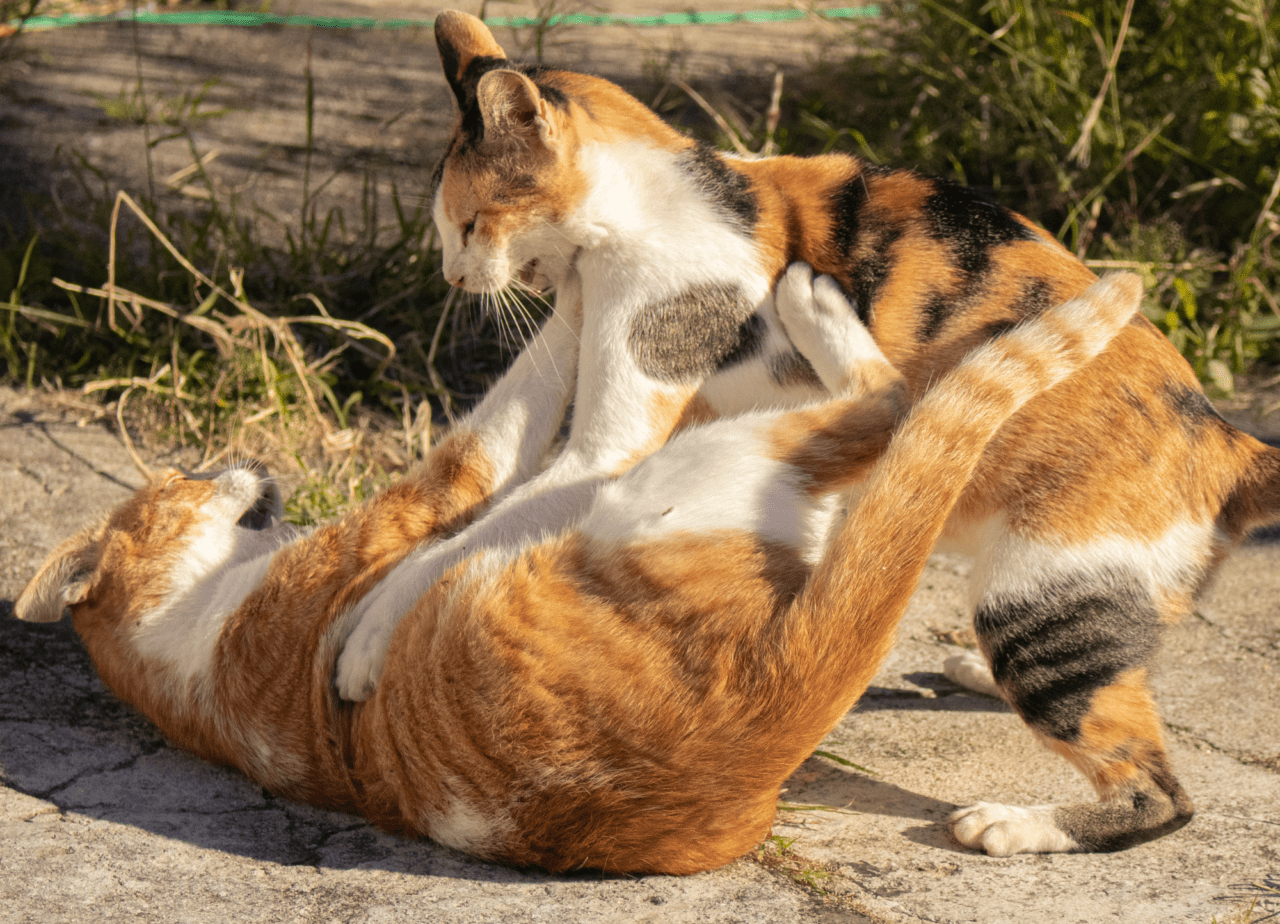
Unfixed cats are more likely to roam and fight other cats, increasing risk of injury and disease transmission.

Fixed cats are less prone to aggression and intense emotional swings, resulting in a more laid-back and content kitty.
Pro #3: Less Litters = More Resources for Shelter Kitties
This leads us to our number one community benefit: Spaying and neutering prevents unwanted litters, which reduces the amount of cats entering the shelter system. This in turn decreases the number of cats being euthanized.
According to a report from Shelter Animals Count, the first half of 2025 saw approximately 1.4 million cats entering shelters around the United States. Of this influx, 47% were five months old or younger. From March through the summer months, these younger animals take up many resources in animal welfare.
The Shelter Animals Count report also reveals an adoption bias towards young cats and kittens over senior kitties. In best case scenarios, these long-stay older cats are transferred from high intake areas to locales with more potential adoptees. (This is the case with many of SAFe’s intake partners.) But in many shelters, euthanasia is a sad reality.
We love kittens, and we love finding them homes. But supporting too many litters can put a strain on shelter space and resources. By spaying and neutering your cat, you help free up room and supplies for other cats in need…cats that might otherwise be overlooked.
Con: Procedure Costs
Like many veterinary procedures, costs associated with spay and neuter surgeries have increased to be out of reach for many families with pets in the United States. Even those who sincerely want to get the surgery may find it prohibitively expensive. However, that’s not the end of the story.

SAFe’s Dr. King alters a cat so it can go up for adoption.
If you adopted your cat from SAFe Rescue, or any other accredited shelter or rescue in King County, they’ve already been fixed per a mandatory legal ordinance. SAFe specifically spays and neuters arriving cats on a weekly basis as part of our pre-adoption requirements. But if you do have an intact kitty at home you’d like to fix, SAFe can help you with that, too.
Our Community Support Program offers low-cost spay and neuter services twice a month. (These are booked separate from our Community Wellness Clinics.) To book an appointment, visit this page, read through the process, then scroll down to the calendar module to set a date and time. A $75 deposit is due at the time of booking.
If you can’t make one of our clinics, simply run a web search for low-cost spay and neuter clinics in your neighborhood. Chances are, you’ll come across an affordable option right in your own backyard.
Conclusion
Spaying or neutering your cat is an effective way to look after their health and wellness, and you don’t have to spend an arm and a leg to do it. With one surgery, you can give your kitty a longer lifespan and a more mellow, less risky way of life, while also ensuring more space and resources for their fellow felines in shelter settings. In short, it’s a win/win all around.
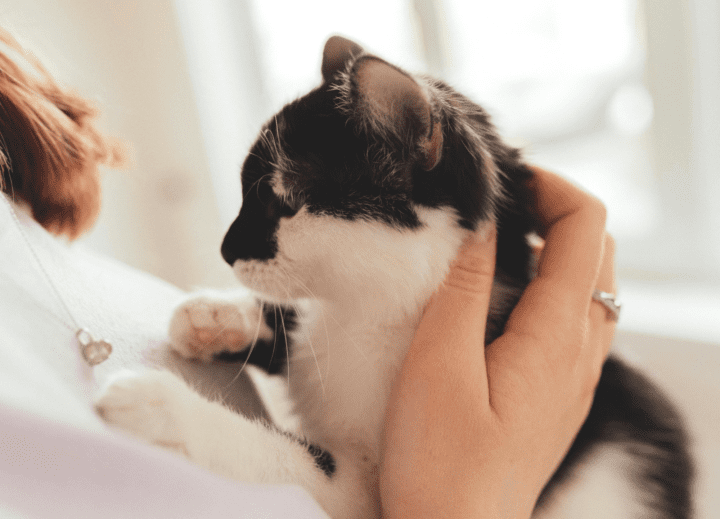
Spaying or neutering your cat is another way to show them you care.