Co-authored by Lisa Winther, LVT
May 20th, 2026
Note: This article was written with support from Lisa Winther, SAFe Rescue’s Licensed Veterinary Technician. It is intended for general education and guidance. Please consult a medical professional right away if you suspect your cat is experiencing an emergency.
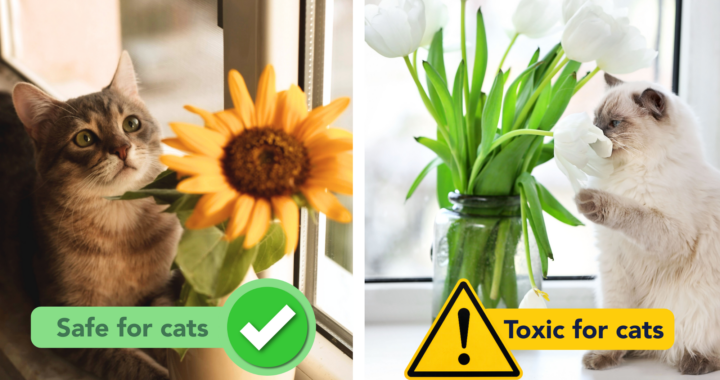
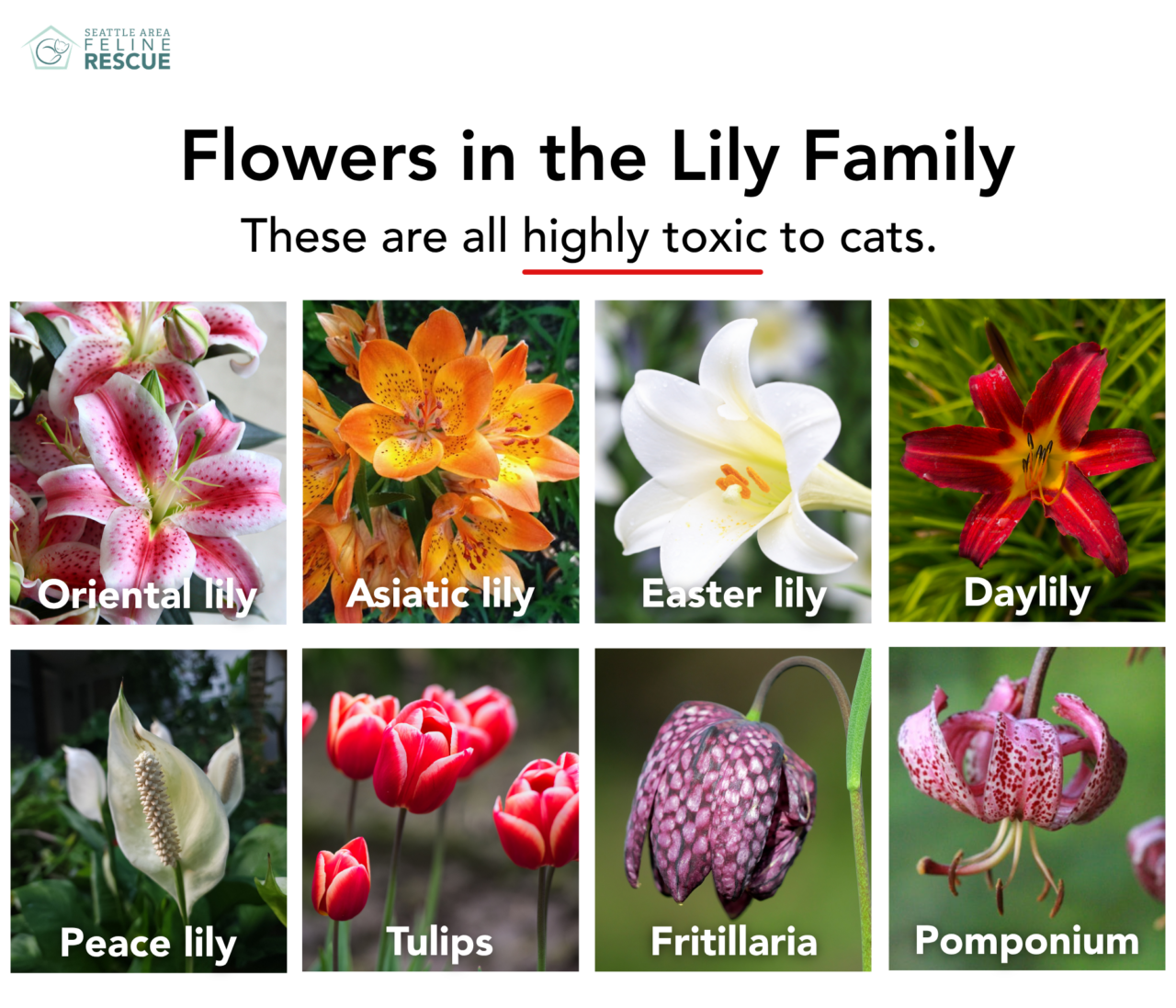
Lilies are a popular flower both outdoors and inside. They can be found along ponds and riverbanks and are common in floral arrangements. They come in a variety of colors, shapes, and species. In some cultures, they are a symbol of happiness. However, it’s important to remember that this beautiful flower is highly toxic to cats.
Lily (or lily-like) plants can be categorized as true lilies or daylilies. True lilies have shorter leaves and can grow taller than daylilies, which, as their name suggests, only bloom one day at a time. Though true lilies and daylilies are different plants, they can be equally fatal to our feline friends. The most toxic species are stargazer, Easter, tiger, Asiatic and daylilies.
Ingesting lily petals, leaves, pollen or even vase water can cause lasting harm to your cat’s kidneys. If you suspect ingestion has occurred, contact a veterinarian immediately for critical care. The effects of lily poisoning can be fatal within three days, so early veterinary intervention is key.
Here is a timeline of symptoms associated with lily poisoning.
0-12 hours after ingestion:
Excessive drooling or foaming at the mouth is often the first sign. This is usually followed by nausea and/or loss of appetite and lethargy.
12-24 hours after ingestion:
Increased thirst and urination followed by vomiting and abdominal pain.
24+ hours after ingestion:
Kidneys lose functionality. Walking becomes difficult; your pet may become weak or even collapse.
If your cat has been exposed to lilies and is exhibiting any of these symptoms, reach out to a veterinary professional as soon as possible. The sooner you act, the sooner life-saving measures can be taken.
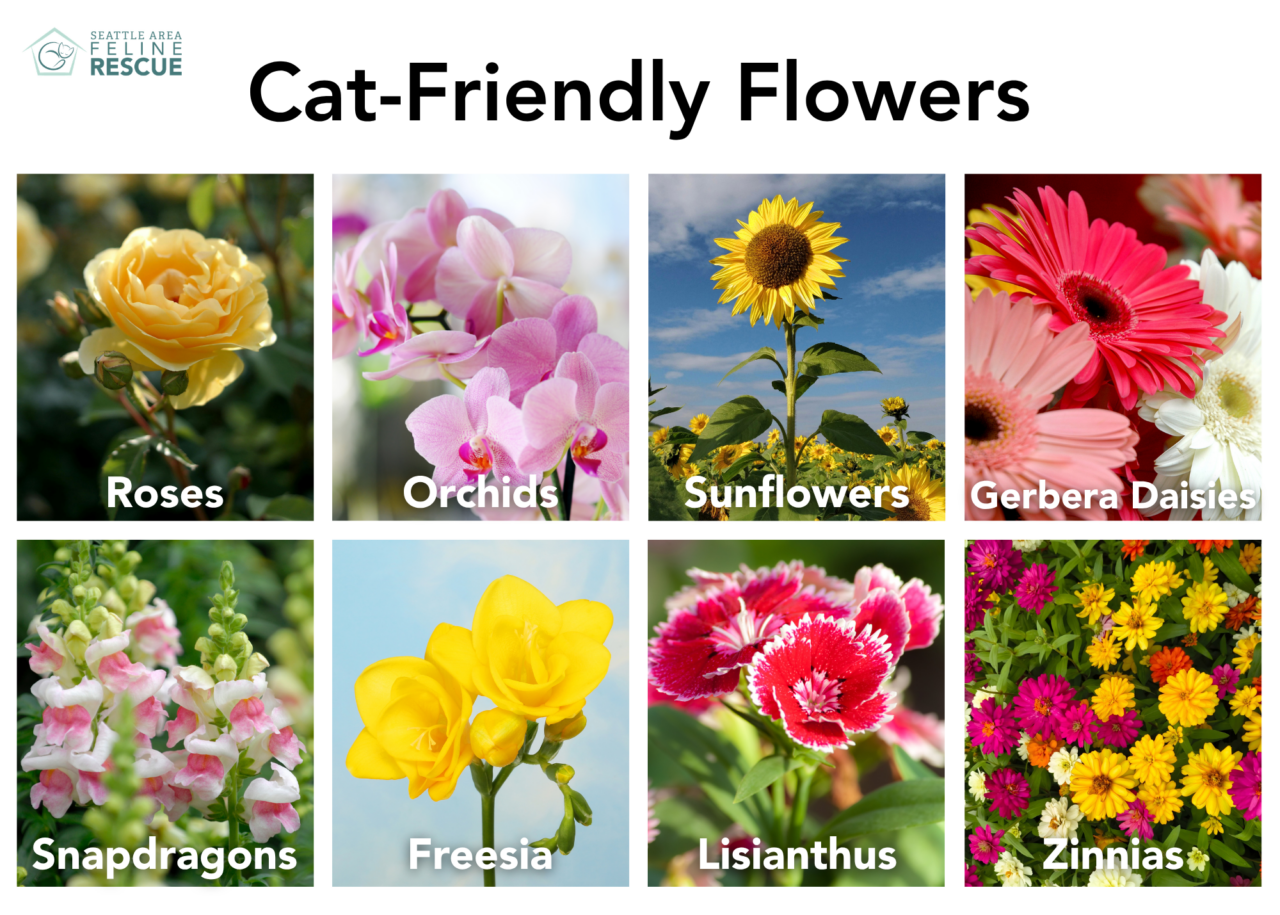
If you have a feline friend in your home or nearby, please consider keeping lilies out of your home to keep them safe. Fortunately, there’s plenty of kitty-friendly flowers out there! Some nontoxic species include: roses, orchids, sunflowers, gerbera daisies, snapdragons, freesia, lisianthus and zinnias.
Lilies are lovely to look at, but risky to have near your pets. We hope this article has helped you learn how to safely enjoy the bounties of spring!
For additional information: https://www.aspcapro.org/resource/how-spot-which-lilies-are-dangerous-cats-plan-treatment